

Freezer Meal Prep Essentials
Souper Cubes, silicone deli containers and an office supply hack that's changed how I organize my normal-size freezer

A new friend in the food space asked me recently how long I had been working on my cookbook. "I don't know, fifteen years?" In case you missed it, this is happening:
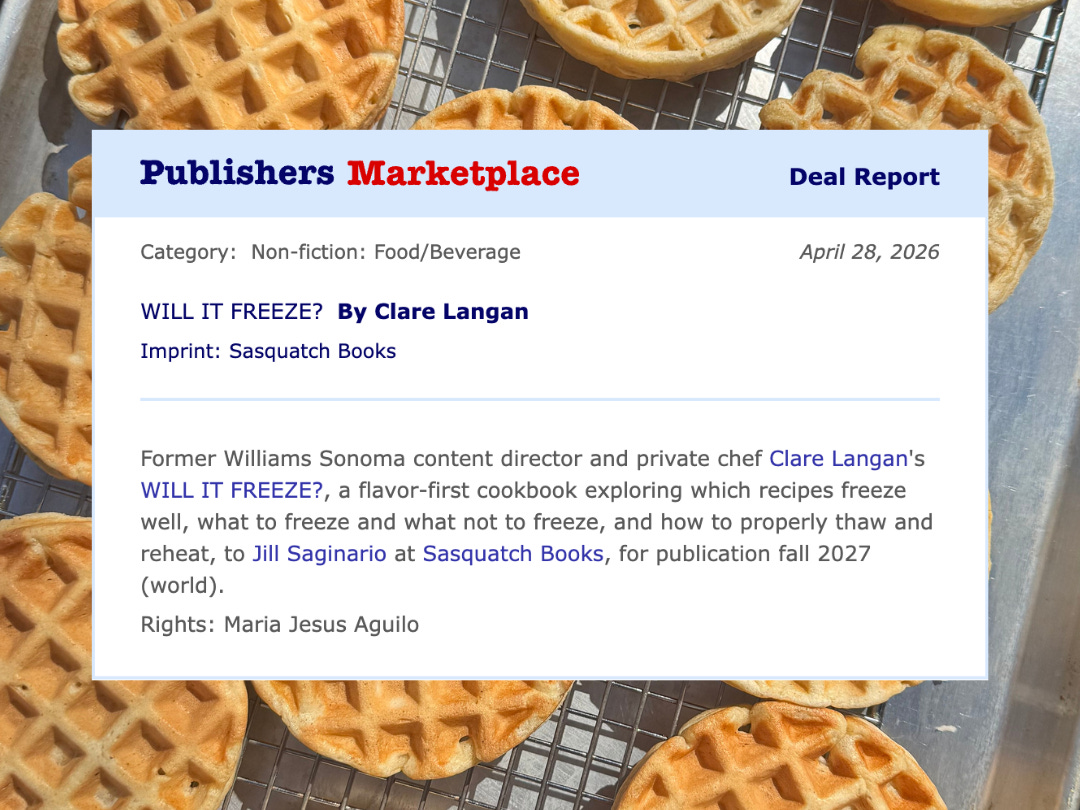
As a private chef, cooking instructor, and generally busy person, I have long looked to the freezer as a tool and shortcut to dinner. Combined with soaring food costs and the desire to waste less, cook more seasonally, and overall just eat better, well, suffice it to say, I am writing an entire book about it.
I am excited to bring you along on this journey as I finish writing and testing the recipes this summer and move into production, design, photography, and yes, that all-important period known as pre-sales next spring, heading into a pub date in Fall 2027.
In the meantime, I wanted to share some essentials that have gotten me through recipe testing. I spent years working at Williams Sonoma and Sur La Table, so I have strong opinions about kitchen tools, and I have seen firsthand what actually gets used versus what collects dust. Consider this your shortlist.
Freezer Meal Prep Essentials
A cutting board that makes sense in your space: I like wood or non-plastic alternatives like this (note, I consult for this brand). Something BIG enough to fit a butternut squash.
An 8” chef’s knife you like: Knives are a bit like shoes. You may need to try on a few before you find one that fits. This one is in my private chef kit and I use this one most often in my kitchen at home.
Cookie scoops: For portioning cookies, yes, but also meatballs, fritters, muffin batter and protein balls.
Tongs: For flipping, turning, transferring, blanching and tossing. I prefer shorter ones like this.
Large skillet: Using a 12” (or even 14”) skillet saves time, giving you more surface area to cook food faster and in less batches. I like stainless steel and traditional cast iron. This enameled cast iron braiser is my favorite when I need a high-sided skillet for saucier recipes.
Rimmed sheet pans: If I had a $1 for every multimillion dollar home I’ve cooked in as a private chef without a sheet pans. Rimmed, please, to catch any drips. Half sheets (yes, there are actually ones bigger than this used in commercial kitchens) and quarter sheets are my faves. Perfect for freezing things flat or individually before transferring to containers or bags so they don’t stick (like cookies!)
Silicone muffin pan: No muffin liners required. Egg bites and baked goods pop out like a dream. They’re also great for freezing individual portions of sauces, grains…just about everything.
Large Dutch oven: I’m talking a 6 to 8 quart big boy. Staub or Le Creuset, they’re both excellent. For long-cooking braises, soups, sauces or everyday boiling and blanching. Oven-safe!
Ladle: Seems basic, but a large ladle with a lip (I prefer metal) is key when transferring liquids into containers for freezing.
Freezer Storage Essentials


Souper Cubes: Imagine a giant ice cube mold. Now imagine it filled with soup, frozen and popped out into individual portions for quicker portioning and reheating. I could write an entire newsletter on these, and I just might.
Small silicone molds: In addition to muffin tins and standard 1 to 2 cup Souper Cubes, there’s a whole world of silicone molds, including 2 tablespoon and 1/2 cup molds perfect for pestos, pastes, sauces and other odds and ends. Note, the brand sent these to me.
Silicone freezer bags: The brand Stasher put these on the map. They’re durable and perfect for freezing things flat to save space.
Compostable freezer bags: These are new-to-me but a great alternative to plastic.
Silicone deli containers: Fresh to market! Me and every other chef loves a deli container, and they’re now available in durable silicone. I tested these with beet hummus and they didn’t stain. Hallelujah. Note, the brand sent these to me.
Glass food storage containers: I’m a fan of square or rectangular thick, tempered glass containers with snap-top lids. Specific, I know. Look for ones that are oven-safe for reheating.
For casual freezing, painter’s tape works fine. But once I switched to freezer labels, my life was forever changed. There is nothing worse than finding something in the freezer with the label peeled off — a guaranteed recipe for food waste. These stay on securely when frozen but don’t leave residue on your containers when removed. Sharpies are still the best.
Parchment and foil: We’re wrapping and rolling our breakfast burritos and sliding little bits of parchment in between our slices of banana bread for easier defrosting.
Multi-purpose bins: When I was the chef at Sur La Table, we organized the ingredients for cooking classes in these inexpensive office file storage containers from The Container Store. A genius hack I still use in my normal-sized freezer to keep everything organized. Size large fits perfectly on the top shelf.
For the serious freezer cook: we are vacuum sealing. I bought one from a woman off Facebook Marketplace in an Ulta parking lot similar to this. If you are looking to save freezer space, make food to give to friends & family and spare your stash of food storage containers, you need a vacuum sealer. Perfect for Souper Cubes.
This post contains affiliate links. I may earn a small commission if you buy something through the link. Shopping through my links is a small way to support this newsletter. For more of my recommendations, check out ShopMy or Amazon Storefront.
Looking for freezer-friendly recipes? Here’s what in-season this time of year:


I am SO excited about this book! I’d also love some tips for small, deep freezers if you’re looking for reader requests lololol
I need better freezer storage! Inspired to try the compostable bags and the silicone.